Orchestrated autonomy for travel
Travel is disconnected. It shouldn’t be.
A trip is a dozen operations run by half a dozen companies. Otonoma’s intelligent network connects every provider behind it — airline, hotel, car, table — so when plans change, the whole journey re-plans itself, with trusted people at the center.
See it work
A late flight, re-planned before the traveler lands.
The flight is 90 minutes late. The network re-times the car, holds the room, and because the kitchen will be closed asks the concierge one question. The traveler replies once.
No app. No phone calls. Four providers and one person, working one plan.
Illustrative scenario. No app, no phone calls — one approval from a person.
In every case the data existed — but no system acted.
When systems don’t talk, everyone pays. The advisor loses the relationship, the traveler loses the moment, the operator loses the margin. It isn’t a people problem. It’s the hand-offs between companies.
Travel & Hospitality
One network for everyone who touches the trip.
Travel is where we start, because it is large, complex, and still run on systems that don’t talk to each other.

Advisors & concierge
Every booked trip becomes a live itinerary. The network does the routine, so advisors can do the extraordinary.
Explore →
Hotels, resorts & cruise
The guest experiences one stay. The stack experiences eight bookings. We connect them — without replacing any.
Explore →
Airlines & disruption
When a flight is late, the hotel, the car and the connection at the far end are other companies. The network fixes all of it.
Explore →
Corporate travel
With our partner Traxo, a trip becomes a live itinerary that watches itself. Pilot open now for select corporate travel programs; general availability in Q4 2026.
Explore →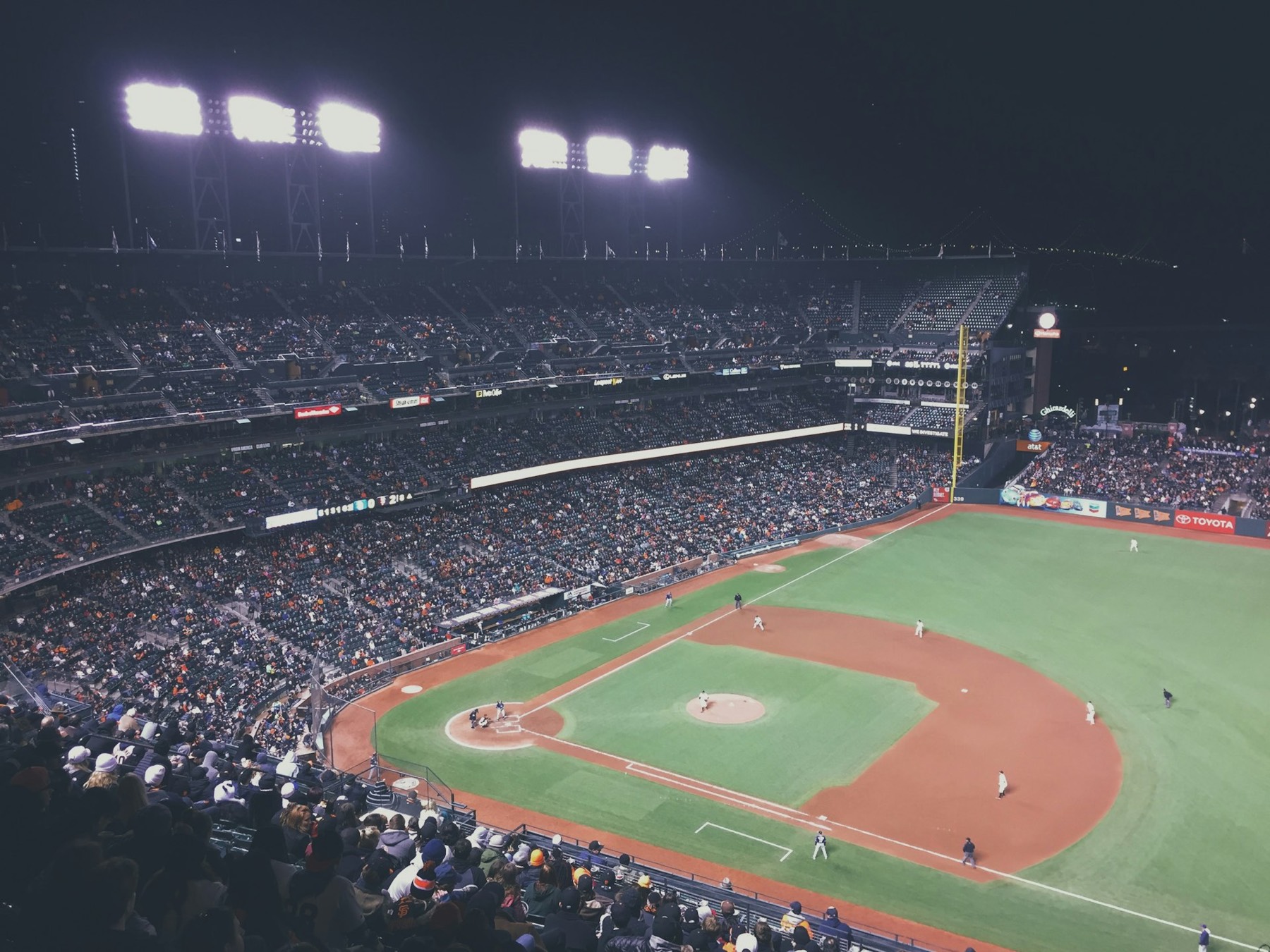
Stadiums & live venues
A stadium is a dozen operations wearing the same jersey. Game day becomes one plan — from parking to the ride home.
Explore →
Every provider in between
Tours, transport, dining, florists. Every system joins as a node — and the denser the network, the better the trip.
Explore →How it works
Models predict. The network executes.
Generative AI is good at deciding what should happen. Otonoma makes it happen — reliably, across every company involved, with people in the loop for the judgment calls.
Every provider is an actor
Airlines, hotels, drivers, restaurants and the people who run them each join the network as actors with skills. Work is matched, not wired.
Plans compile, then run
Workflows compile into goal trees that execute the same way every time. You can see the plan before it runs — reliable by construction, not by hope.
Trusted humans in the loop
When a decision needs judgment, it goes to the right person with the options already worked out. The network learns from every answer.
Wherever the trip goes
One plan, from the first leg to the last table.
Six moments when the day changed — and the network had already re-planned. Each one is a story from the pages below; pick one to see how it works.
 Advisors
PatagoniaWind closes the lake crossing.Boat, transfer and lunch are re-planned before anyone checks.See how →
Advisors
PatagoniaWind closes the lake crossing.Boat, transfer and lunch are re-planned before anyone checks.See how →
 Advisors
KyotoThe temple opens early.The car and the guide move with it.See how →
Advisors
KyotoThe temple opens early.The car and the guide move with it.See how →
 Airlines
The CaribbeanThe flight is late.The car re-times and the boat waits at the dock.See how →
Airlines
The CaribbeanThe flight is late.The car re-times and the boat waits at the dock.See how →
 Hotels
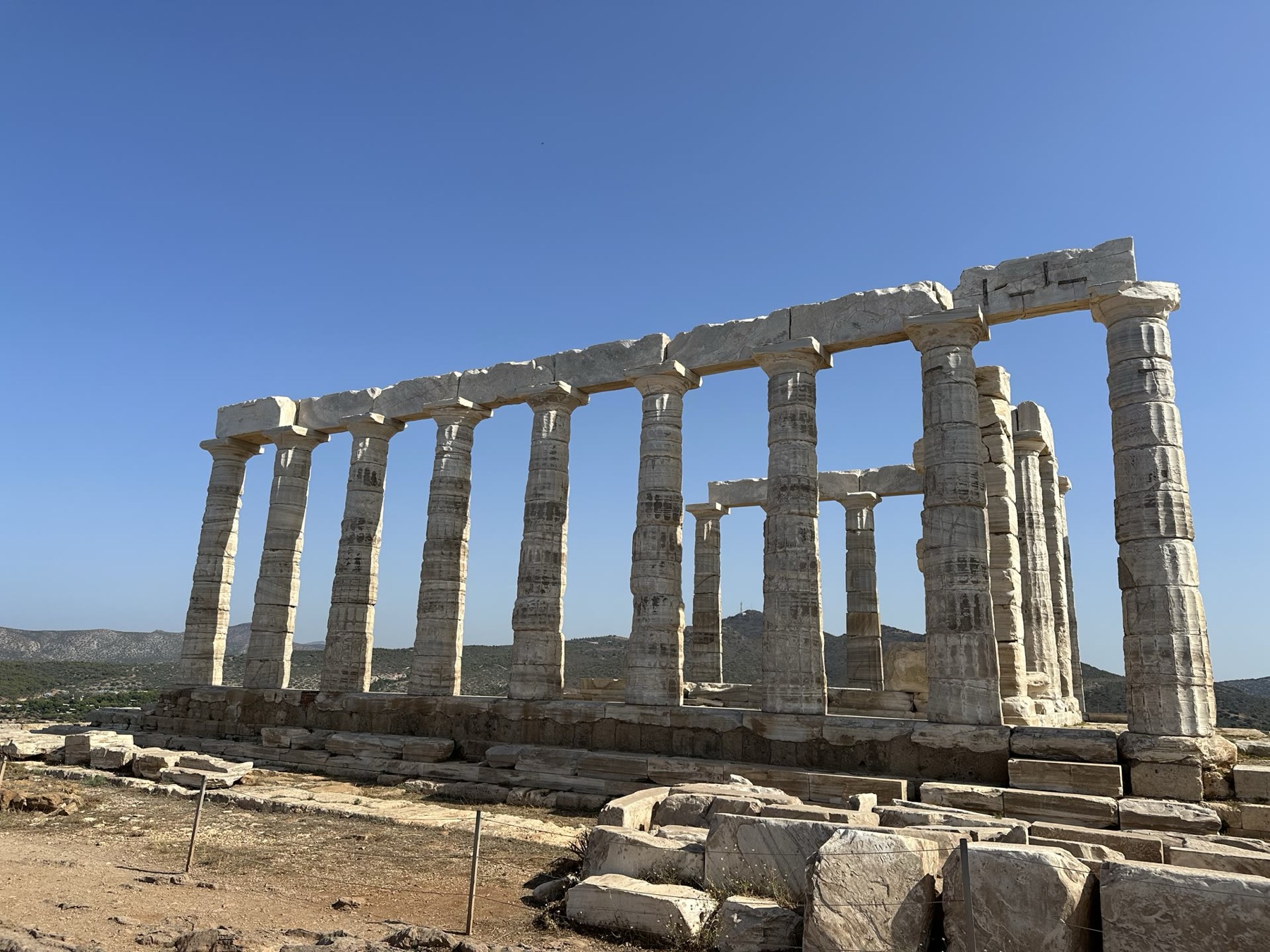
The AegeanSunset moves.Dinner moves too, and the table is held.See how →
Hotels
The AegeanSunset moves.Dinner moves too, and the table is held.See how →
 Cruise
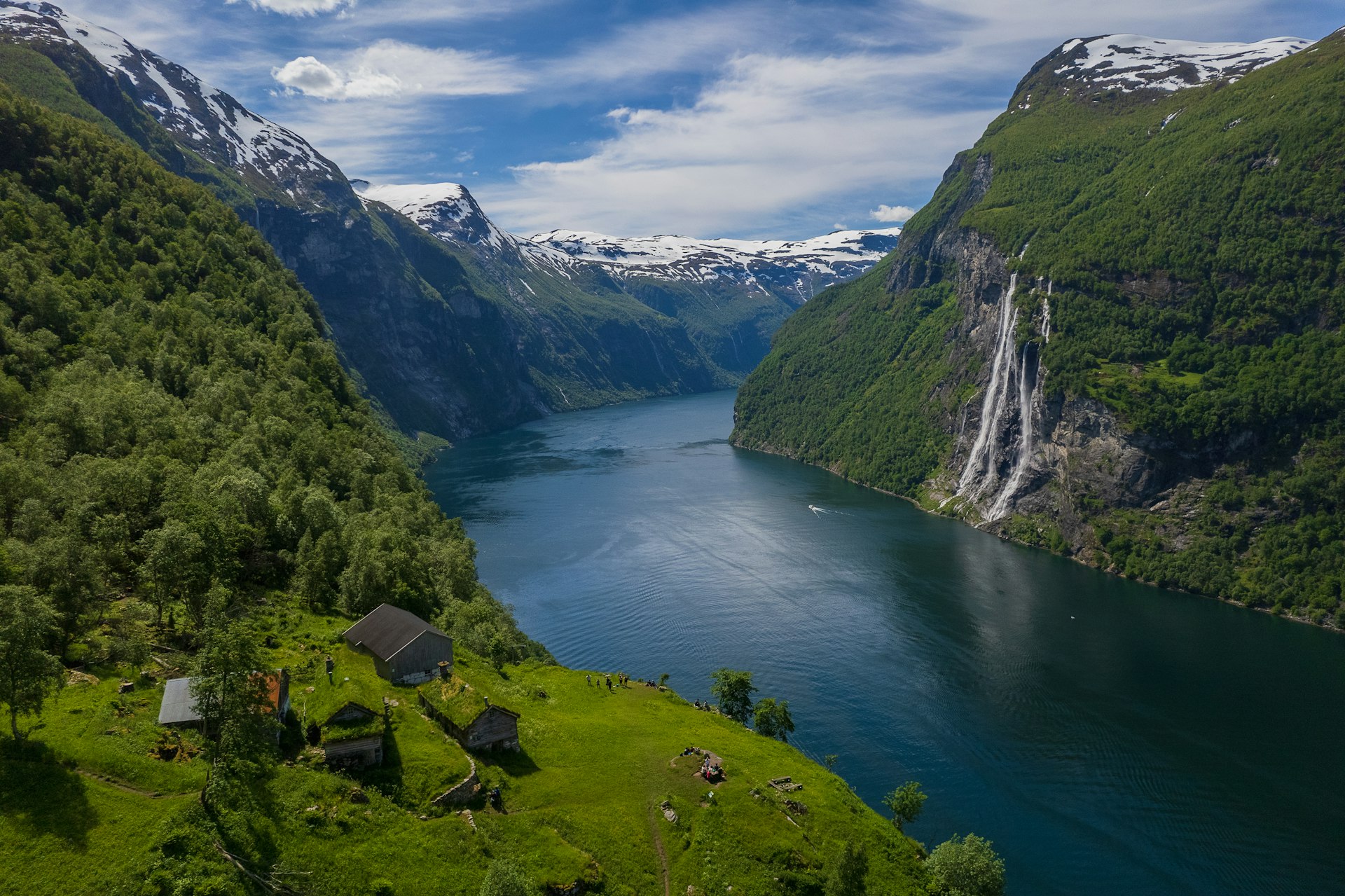
The fjordsThe ship docks early.The excursion starts early too.See how →
Cruise
The fjordsThe ship docks early.The excursion starts early too.See how →
 Cruise
At seaThe satellite link drops.The ship keeps deciding locally.See how →
Cruise
At seaThe satellite link drops.The ship keeps deciding locally.See how →
Illustrative moments.
Works with what you run
An overlay, not a rip-and-replace.
The network sits alongside the systems you already use — property management, reservations, dispatch, messaging. Nothing is replaced, nothing goes down, and every system, even the florist’s, can join as a node.
- Your data stays yours. Each operator runs its own node, in its own cloud.
- A mesh, not a hub. Every business runs its own network, and the networks federate. You choose your partners.
- No app for guests. The trip lives in the messaging thread travelers already use.
- Around regulated systems, never through them. Payments and other regulated systems stay where they are.
Beyond travel
Travel is first. It is not the market.
The same network orchestrates anywhere many parties have to act as one.
Robotics
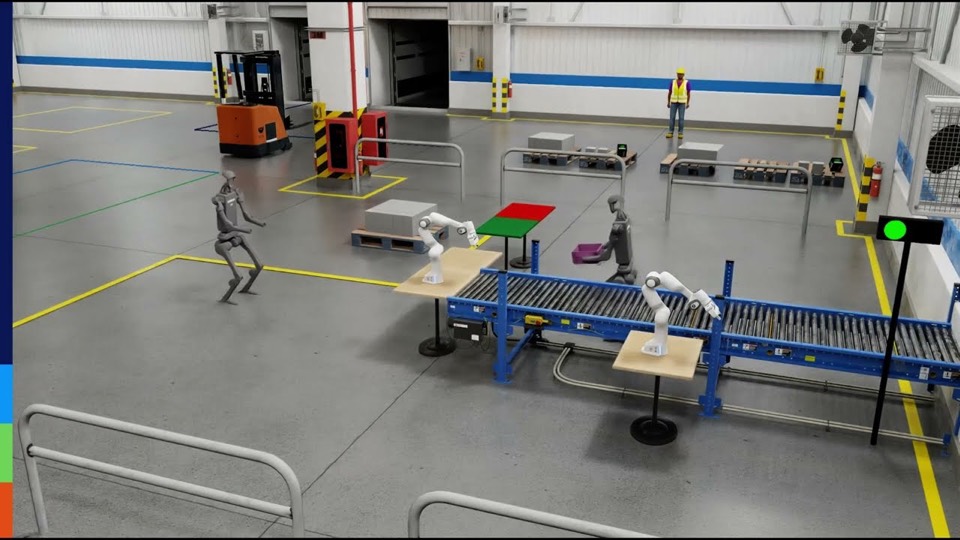
Robots, drones and people from different vendors, working one plan — tested in simulation first.
Explore →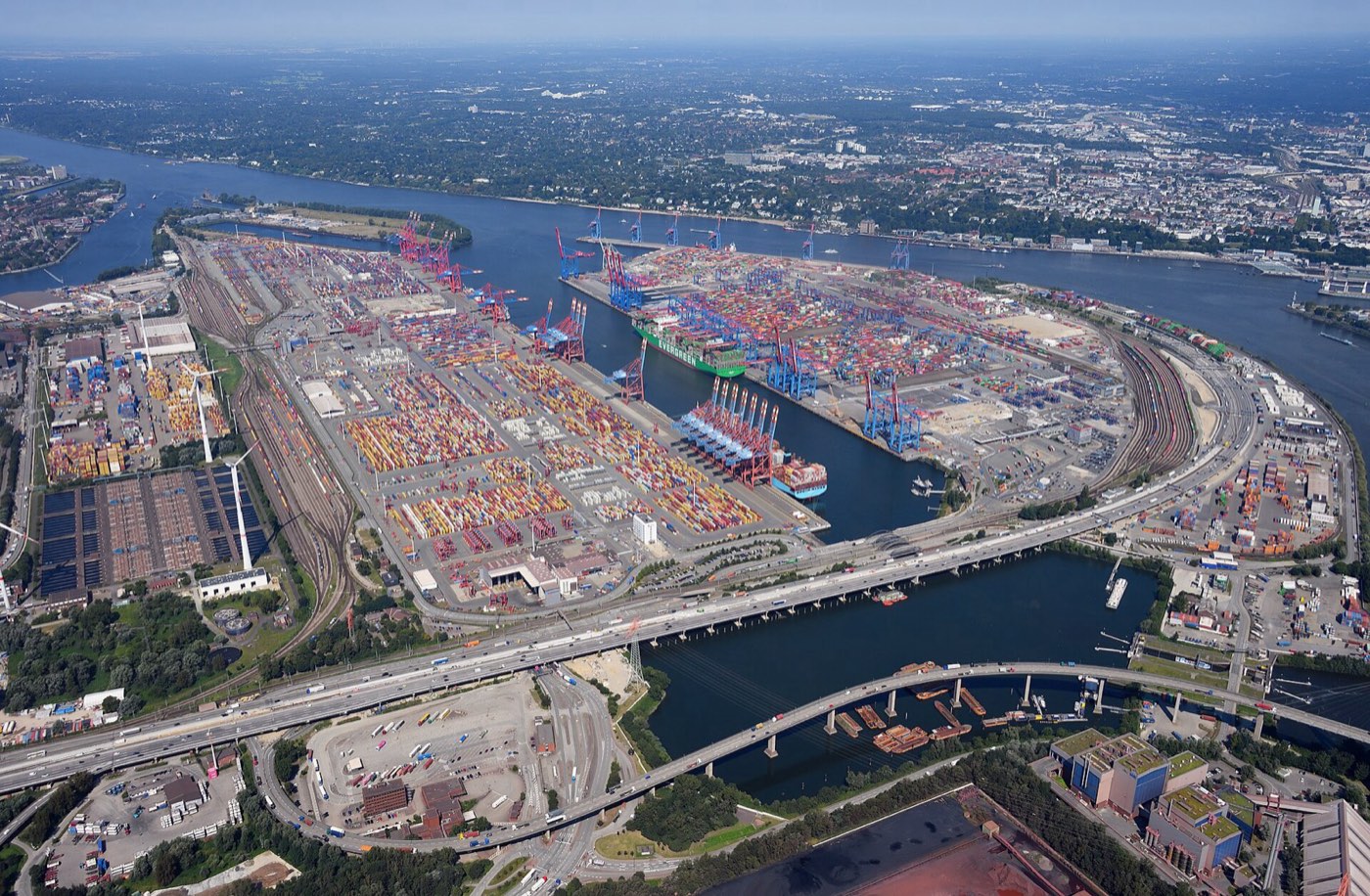
Logistics & supply chain
Execution across the carriers, crews and ports you don’t control — forward and reverse.
Explore →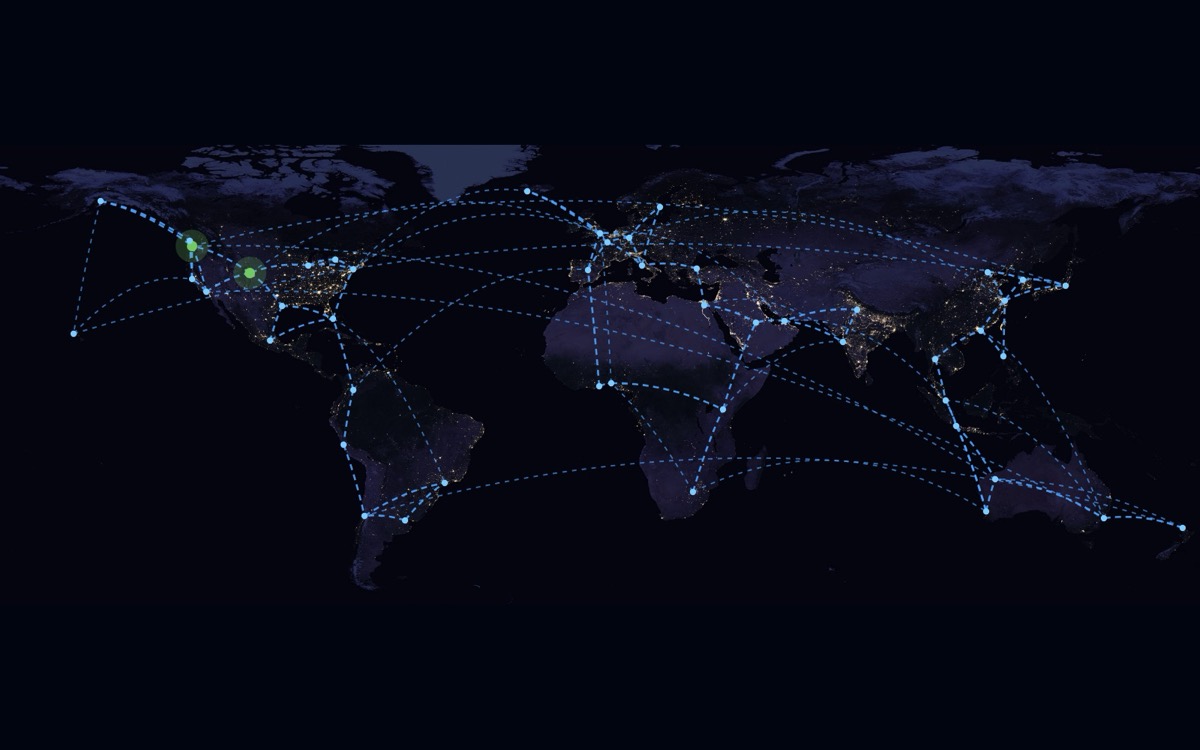
Other use cases
Aerospace, defense, mining, manufacturing and more — where the network has been modelled or prototyped.
Explore →