Other use cases
One network. Many industries.
Travel is where we are building first. The same network — every system an actor, workflows compiled into goal trees, trusted people in the loop — fits wherever work spans many systems and many organisations. Here is where we have modelled, simulated or prototyped it, and how far each has gone.
Earth at night: NASA Earth Observatory
- Aerospace
- Defense
- Mining & heavy industry
- Manufacturing & automotive
- Information & operational technology
- HealthTech & outsourcing
- Transportation
Aerospace & space · Simulation-backed prototype work
Governance first, from the ground up
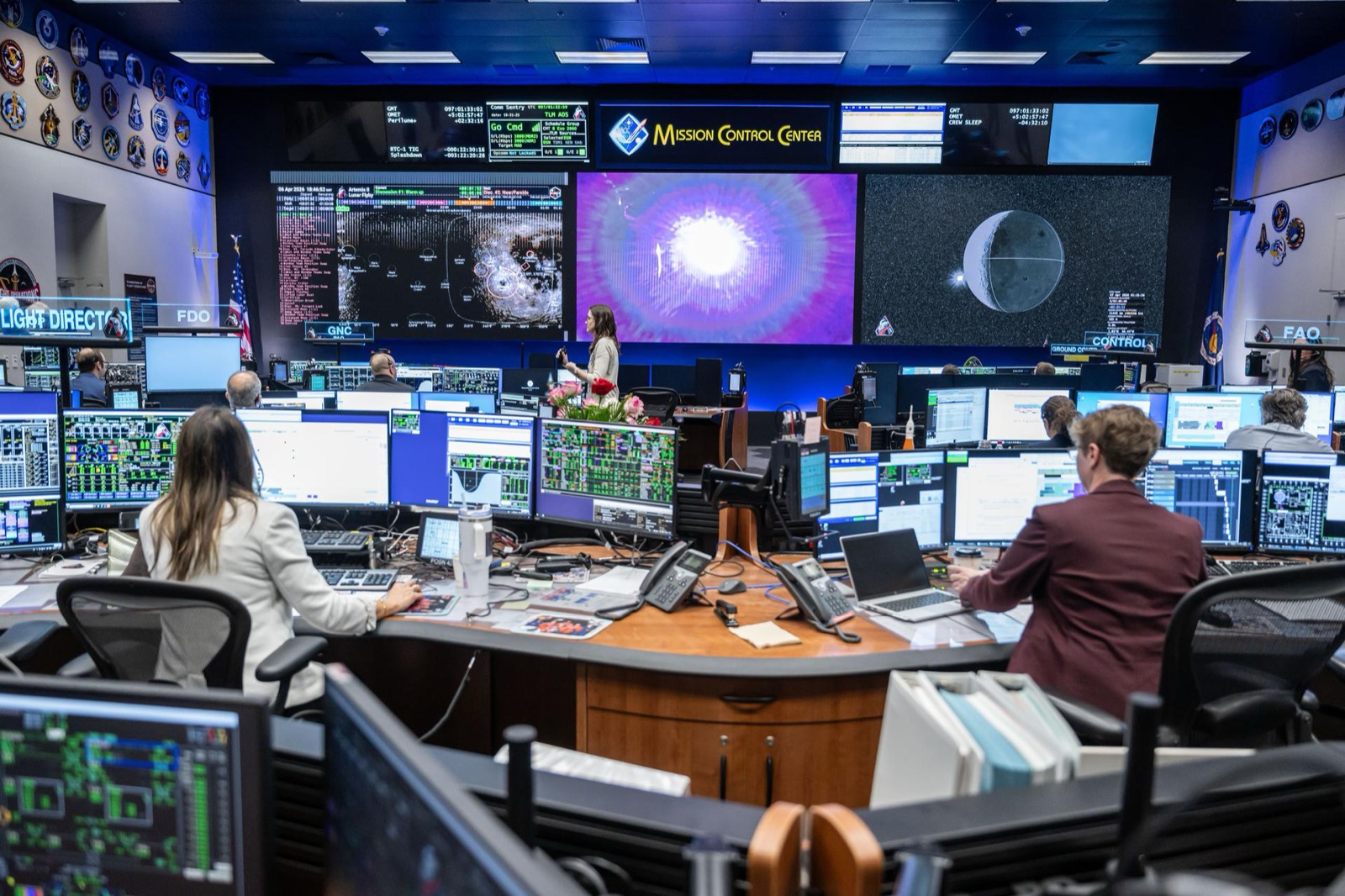
Space communications runs on scarce capacity shared by many organisations, and much of the coordination between them is manual. For a space-communications network, we have worked through governance-first mission onboarding: the hand-offs between four organisations, from first screening to operations hand-off, with human approval at every gate. The network orchestrates the coordination, status and traceability. It does not make autonomous commitment or scheduling decisions.
The same approach applies to maintenance planning on a network running near capacity, where there is rarely a window that suits everyone — and, further out, to coordinating drones, aircraft, vessels and spacecraft as one network rather than one vehicle at a time.
- Mission onboarding across four organisations, with a human sign-off at every gate.
- Maintenance-window planning that surfaces the least-bad windows and their trade-offs explicitly.
- Every input labelled for provenance — authoritative, derived, notional or stale — so every recommendation can be explained.
- Where it could go: a common protocol in which a large dish and a laser terminal are peers on the same network.
.jpg)
Defense · Where the architecture fits
Interoperability without a central point of failure
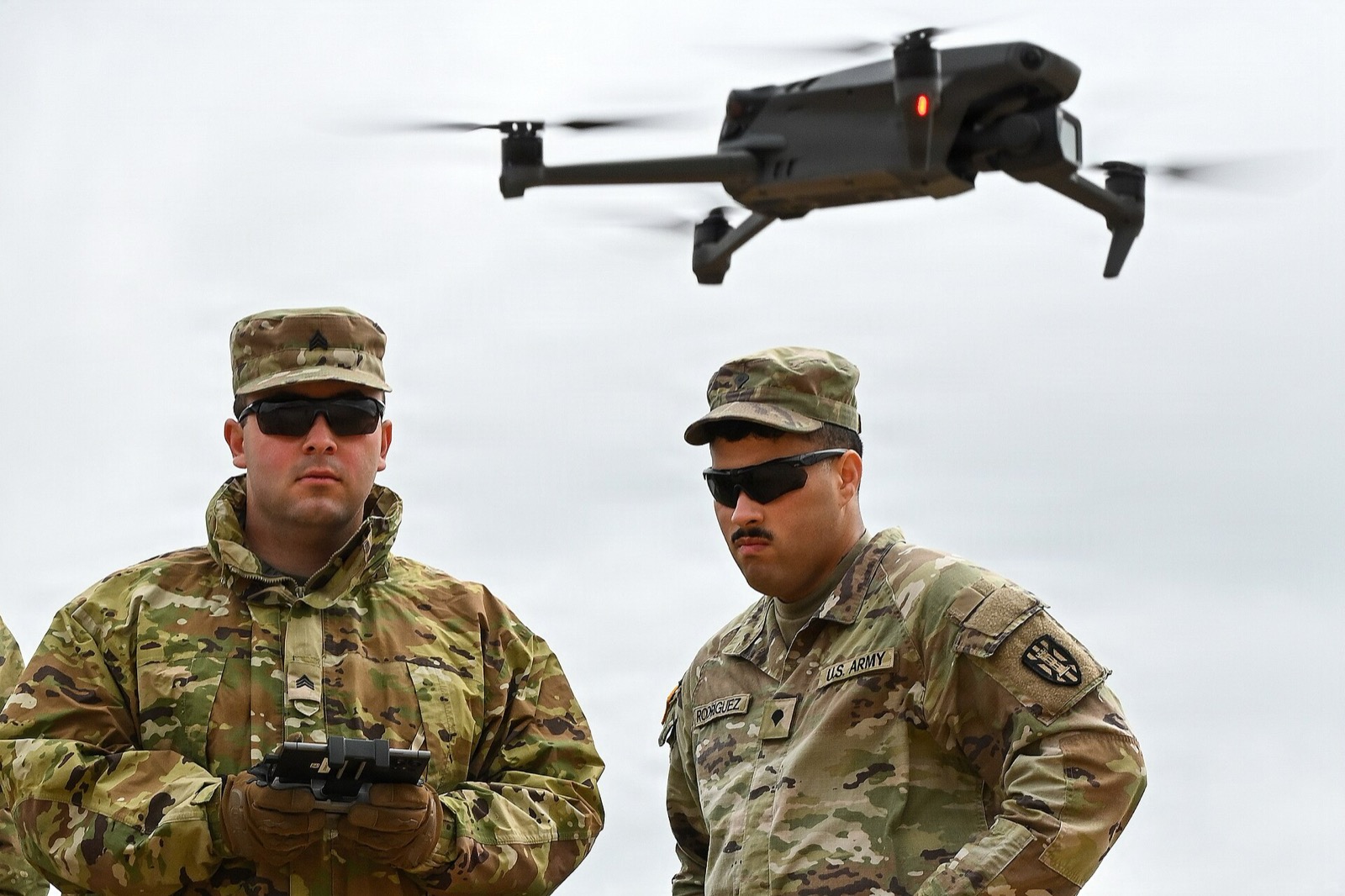
Defense operations span services, allies and decades of legacy systems that were never designed to work together. The network’s architecture fits that problem: every system joins as an actor, there is no central server, and federation between networks is directional — so systems can cooperate on a shared goal without being merged into one.
This describes where we believe the architecture fits. It is not a list of engagements, and nothing here is deployed.
- Interoperability across services and legacy systems, each keeping its own node and its own data.
- Contested communications: each node keeps its own state, keeps working through lossy links, and resumes from recorded state after a disconnect.
- Negative trust: zero trust verifies who you are at the door; negative trust keeps watching what you do inside.
- A person approves every consequential decision.

Mining & heavy industry · Simulated
Machines, crews and plans in step
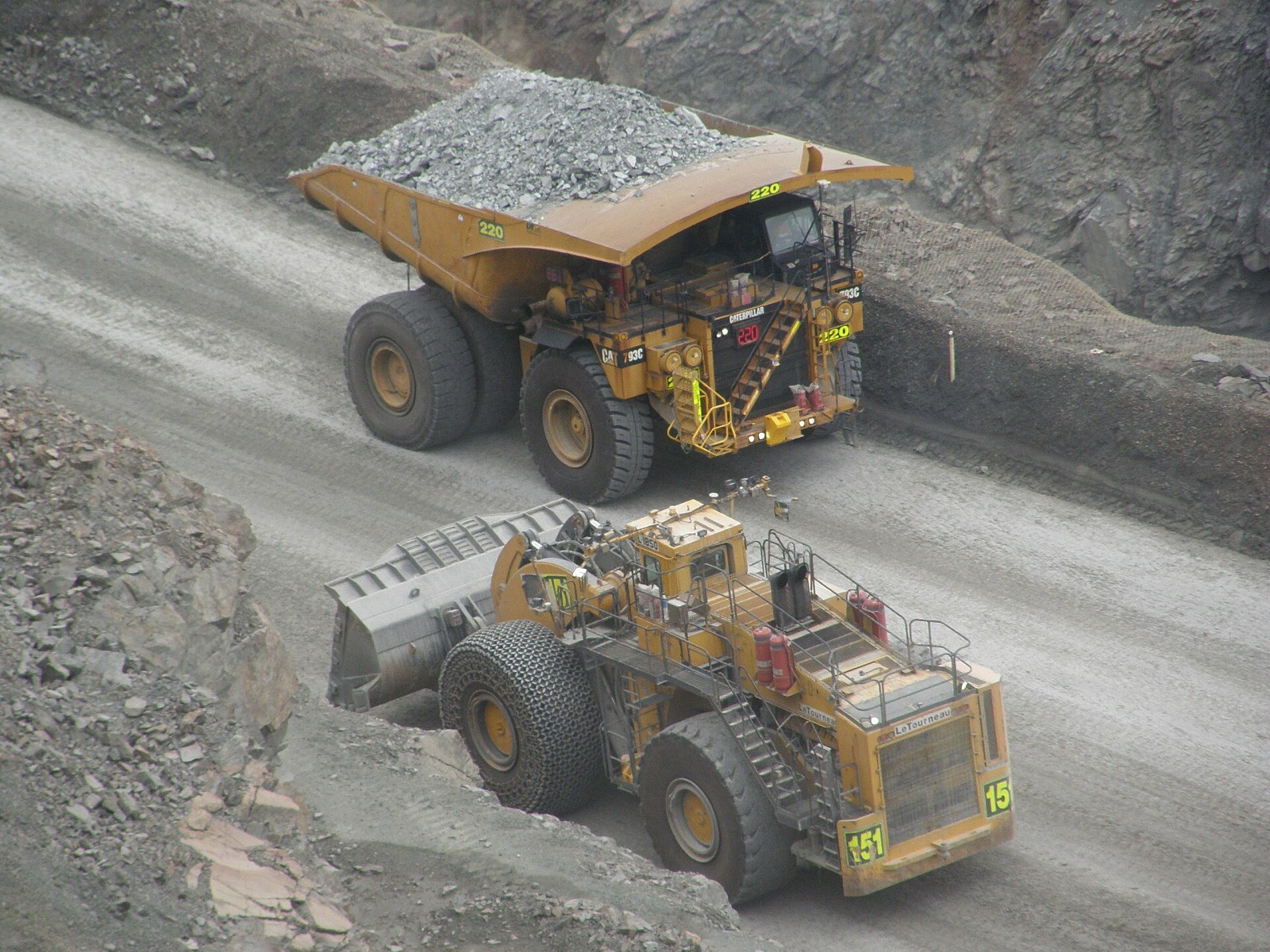
A mine runs on autonomous haulage, maintenance crews, shift rosters, charter flights and camp beds — all driven by the same operating schedule, and all managed in different systems. When the schedule shifts, everything downstream should move with it.
We have simulated orchestration in a mining operation, with machines and people as actors on one network that re-plans when conditions change.
- Machines, contractors and site crews coordinated as actors on one plan.
- Predicted maintenance turned into scheduled work, with parts, technicians and site access arranged together.
- Crew rotations — flights, camp allocation and rosters — bound to the operating schedule.
- Every action recorded, for safety and compliance review.
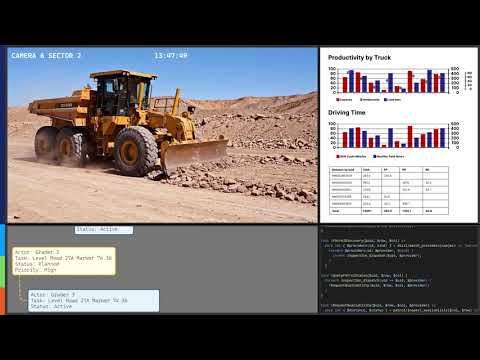
Simulated orchestration in mining
Machines and people on a mine site, coordinated as one network in simulation.
Manufacturing & automotive · Modelled and simulated
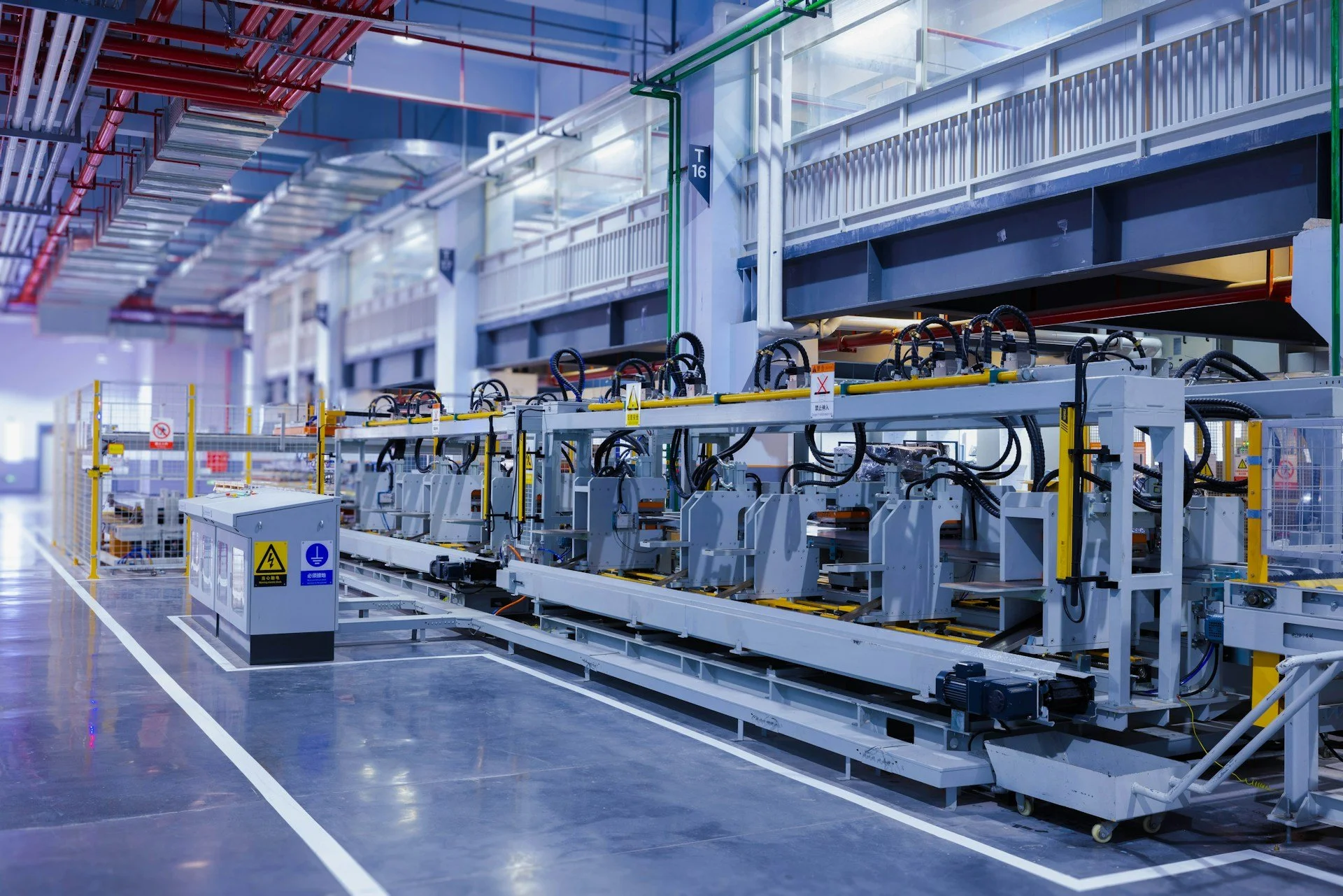
Many vendors, one line
Factories run on equipment and software from many vendors, and on suppliers and co-manufacturers outside the building. The network overlays what is already there — robots, people and legacy software — so they work to one plan without a rip-and-replace.
When a changeover or a quality event happens, it travels as a goal to the plants and suppliers it affects, instead of as an email chain.
- Robots from different manufacturers coordinated through one network — see robotics.
- Changeover and quality events propagated to external plants and suppliers.
- Supply disruptions re-planned across assembly and inbound logistics together.
- Simulation first: plans are tested in a digital twin before they run on the floor.
Information technology / operational technology (IT/OT) transformation · Simulated
Bridging the office and the plant floor
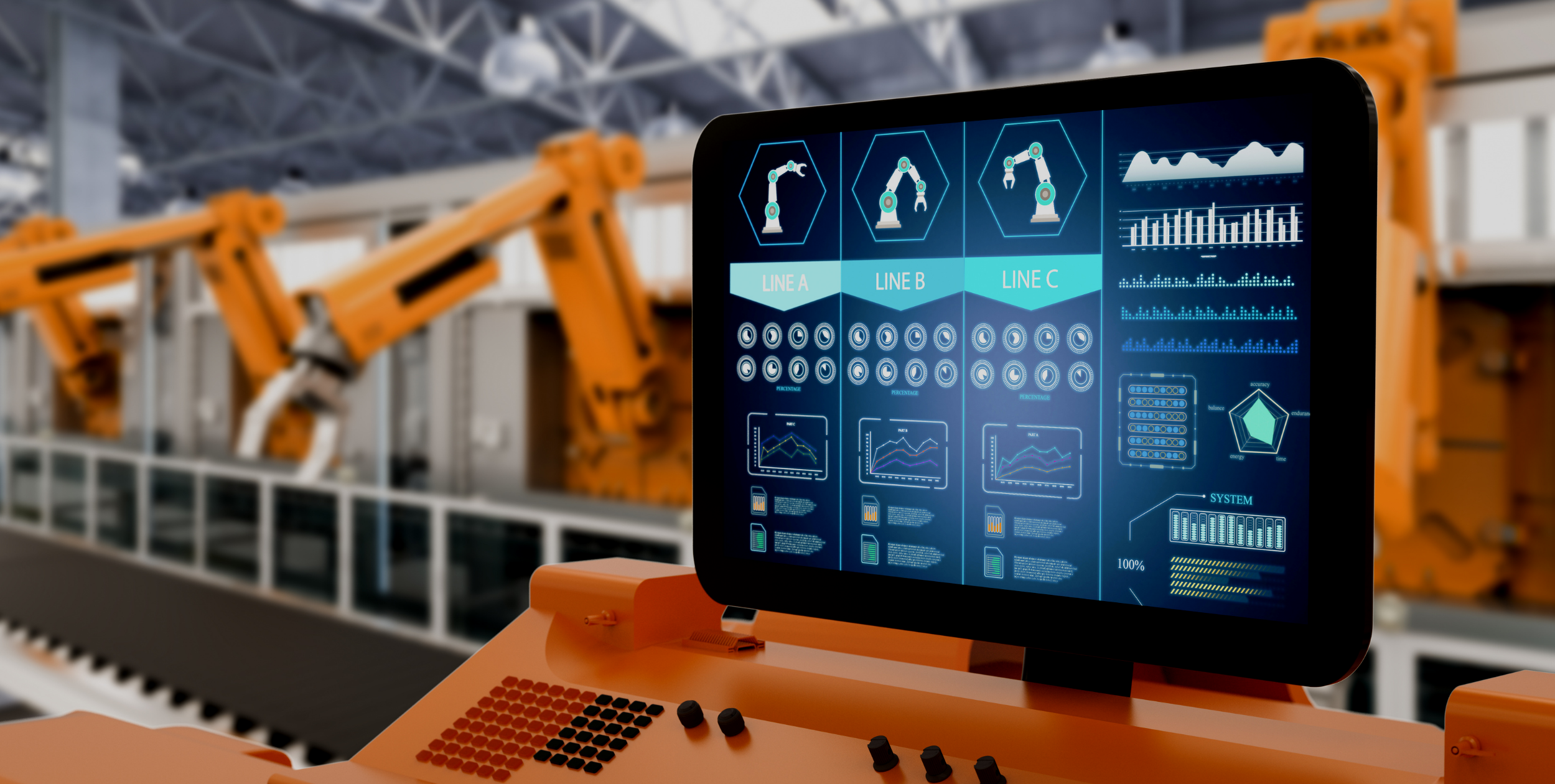
IT and OT grew up apart: business systems on one side, controllers and machines on the other. Connecting them has usually meant brittle point-to-point integrations and a larger attack surface.
On the network, a business system, a machine and a person are all actors. A work order raised in an office system becomes a coordinated task on the floor, and each side keeps its own security boundary. We have simulated this with warehouse robots bridging IT and OT.
- Overlay, not replace: existing systems join as nodes with no downtime.
- Directional federation: office systems can request work from the plant floor without gaining open access to it.
- Every actor’s behaviour is watched continuously, not just checked at sign-in.
- Plans compile ahead of time, so you know what will happen before it happens.

HealthTech & business process outsourcing (BPO) · Prototype demonstrations
People and software sharing one queue
Much of the back-office work in healthcare and outsourced business processes is still done by hand. Automation has struggled here because the workflows are long, regulated and full of exceptions.
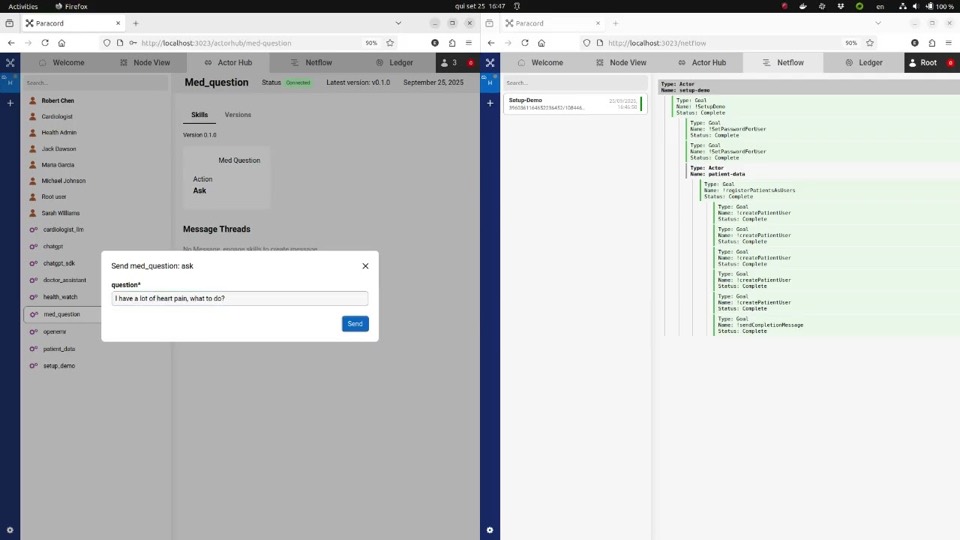
The network routes each task to the best available actor — a person or a bot — and records every interaction. Workflows compile into goal trees that run the same way every time, which makes the network a deterministic runtime for enterprise agents: guardrails for high-stakes work, with sensitive data kept where it belongs.
- Tasks allocated dynamically between people and software, instead of static queues.
- Exceptions handed to a person with the live context, not a screenshot.
- Every decision recorded, so repeated manual steps can be automated over time.
- Federation keeps sensitive health data inside the organisation that holds it.
Healthtech and netflow
A healthcare workflow moving between people and software on the network.

BPO
Back-office tasks routed to the best available person or bot.
Transportation · Modelled
Moving people and goods as one network
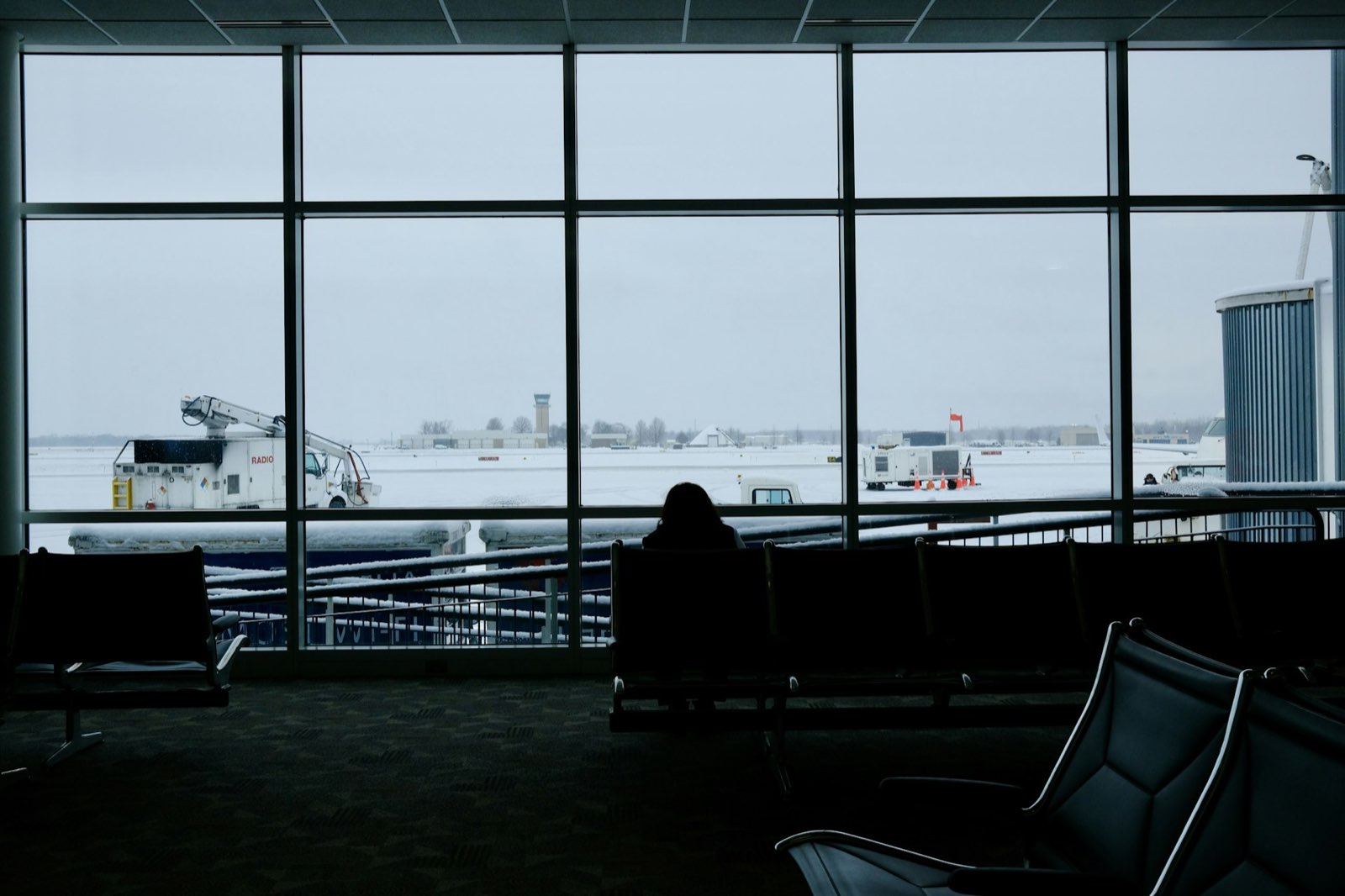
Transport is many operators sharing infrastructure — fleets, depots, stations, drivers and dispatch — and a delay in one ripples through the rest. The systems work; the hand-offs between operators are manual.
The network treats each vehicle, operator and system as an actor, and re-plans connections, crews and pickups the moment a schedule moves. For moving goods, see logistics; for passengers in the air, see airlines & disruption.
- Fleet and crew re-planning when a schedule moves.
- Connections protected across operators, not just within one.
- Routing that accounts for congestion across the whole network.
- Maintenance scheduled around service, with parts and people arranged together.
Travel is first. It is not the market.
Travel is large, complex and underserved by its technology — the right place to start. The platform underneath is general. Everything on this page is modelled, simulated or prototyped; our product work is in travel today, and robotics is where we test the network against physical machines.
Have a workflow that spans too many systems?
Tell us about it. We will tell you honestly whether the network fits, and what it would take.